
Different environmental bands by production stage
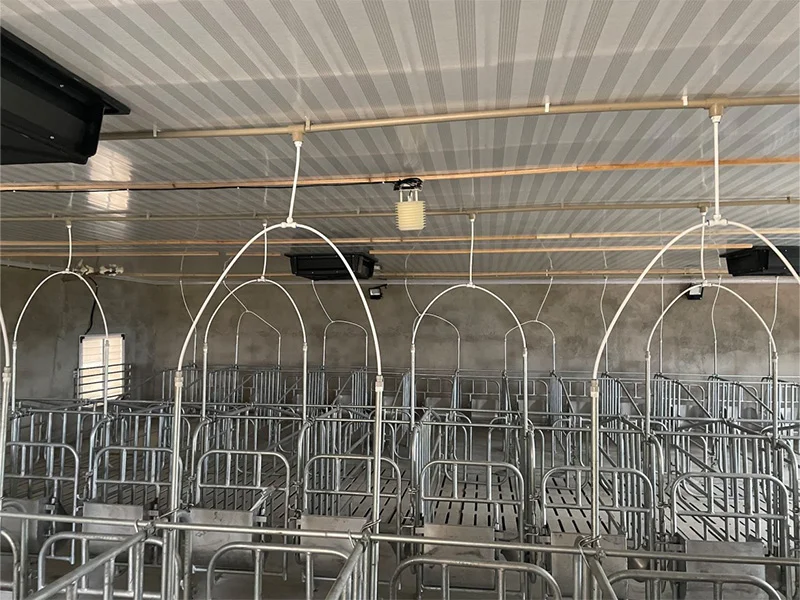
Farrowing, nursery and finishing pigs need different temperature bands. One manual setting can leave piglets cold while finishers overheat.
Phased Monitoring and Pig-Barn Environmental Control
Collect temperature, humidity, ammonia, dust and equipment status, then configure ventilation, cooling, heating and alert rules for farrowing, nursery, finishing and other production stages.
LoRa field networking, RS485 devices, duty room Ethernet, and cloud dashboards work together without depending on barn-side 4G.
Production stages require different environmental ranges, while manual checks provide limited coverage across multiple barns.
Farrowing, nursery and finishing pigs need different temperature bands. One manual setting can leave piglets cold while finishers overheat.
Ammonia and airborne dust require suitable sensors because visual inspection does not provide a measured concentration.
Continuous temperature monitoring and configured rules can provide alerts or operate connected heating and ventilation equipment outside staffed hours.
Many farms sit in hills or outskirts where 4G is weak. LoRa carries data across the farm before Ethernet backhaul takes over in the duty room.
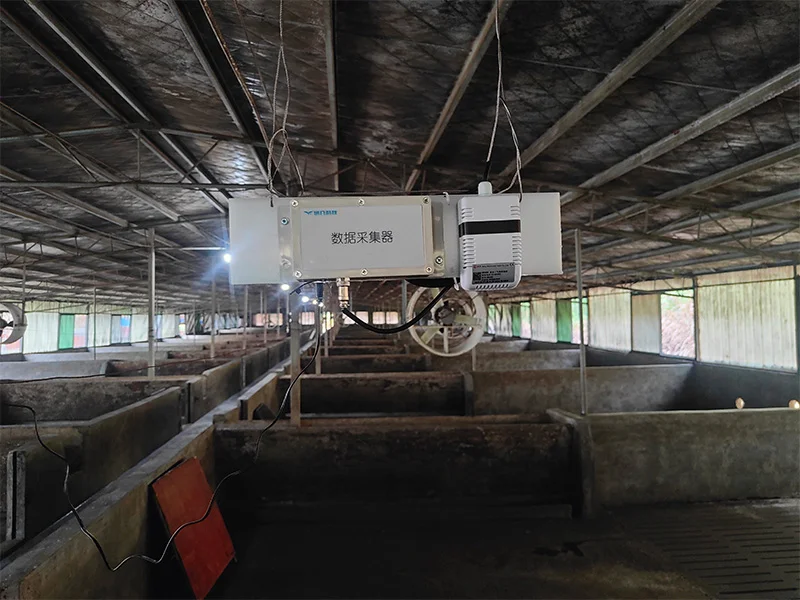
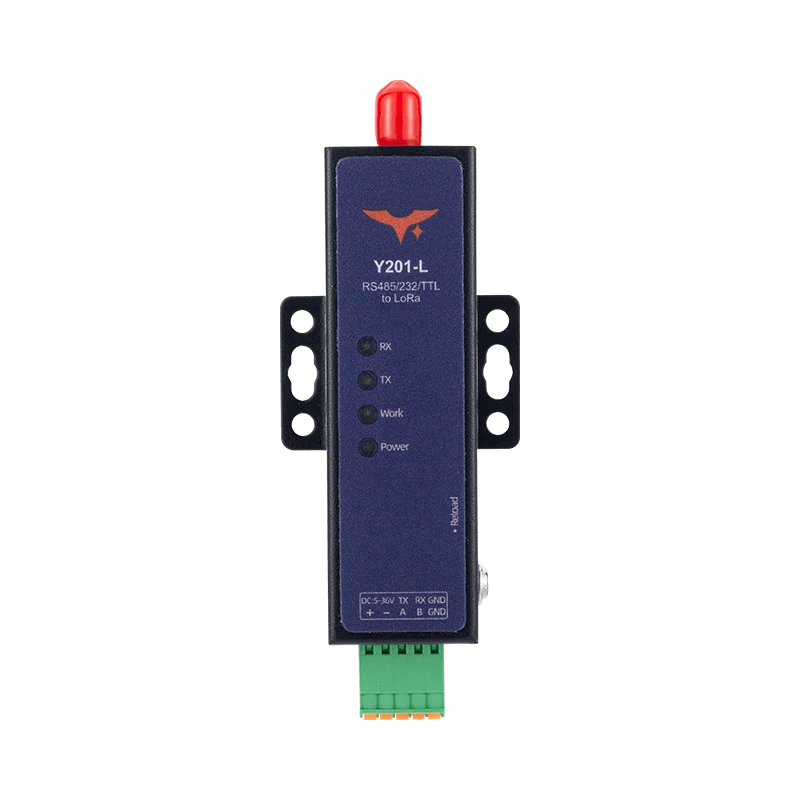
Sensors enter the barn network through RS485, Y201-L carries the data across the farm, and Y201-R brings the duty room network into YenGear IoT Cloud.
Two Mini DTUs form the field-to-cloud path for PigSense deployments.
Y201-L
LoRa, RS485/RS232. Used in barns and the duty room to move sensor data across the farm where 4G is weak or unavailable.
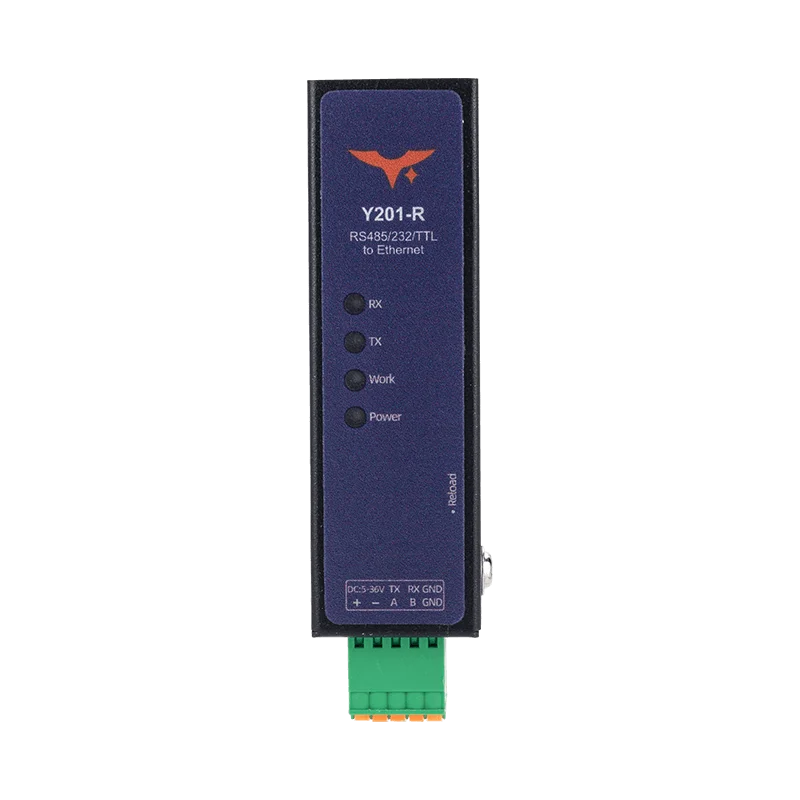
Y201-R
RJ45 Ethernet, RS485/RS232. Used in the duty room to bridge serial field data to wired Ethernet and cloud protocols.
The system combines barn sensors, a LoRa field network, duty-room monitoring, equipment control and historical records.
RS485 ammonia, dust, temperature, and humidity sensors give each barn a live environmental baseline.
Y201-L nodes form a LoRa field network for scattered barns, reducing trenching and barn-side 4G dependency.
The operator sees every barn on a big screen, with abnormal values surfaced for quick response.
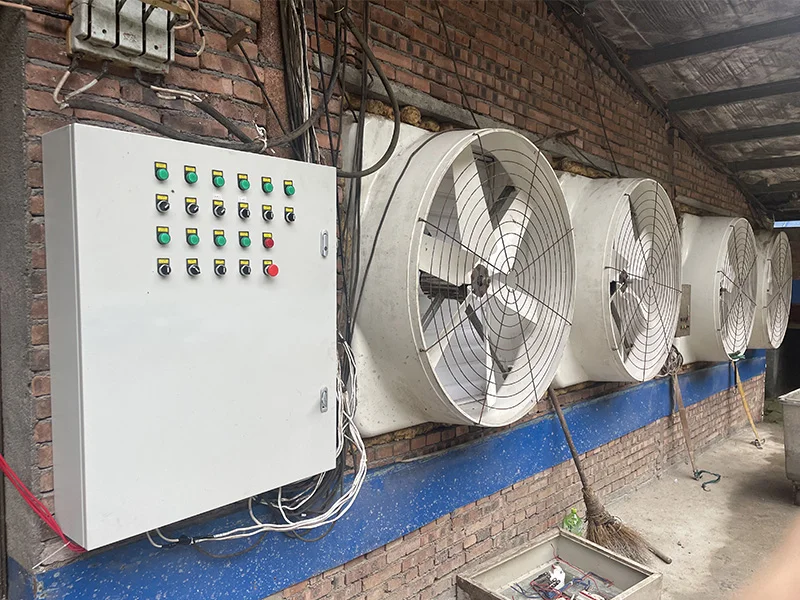
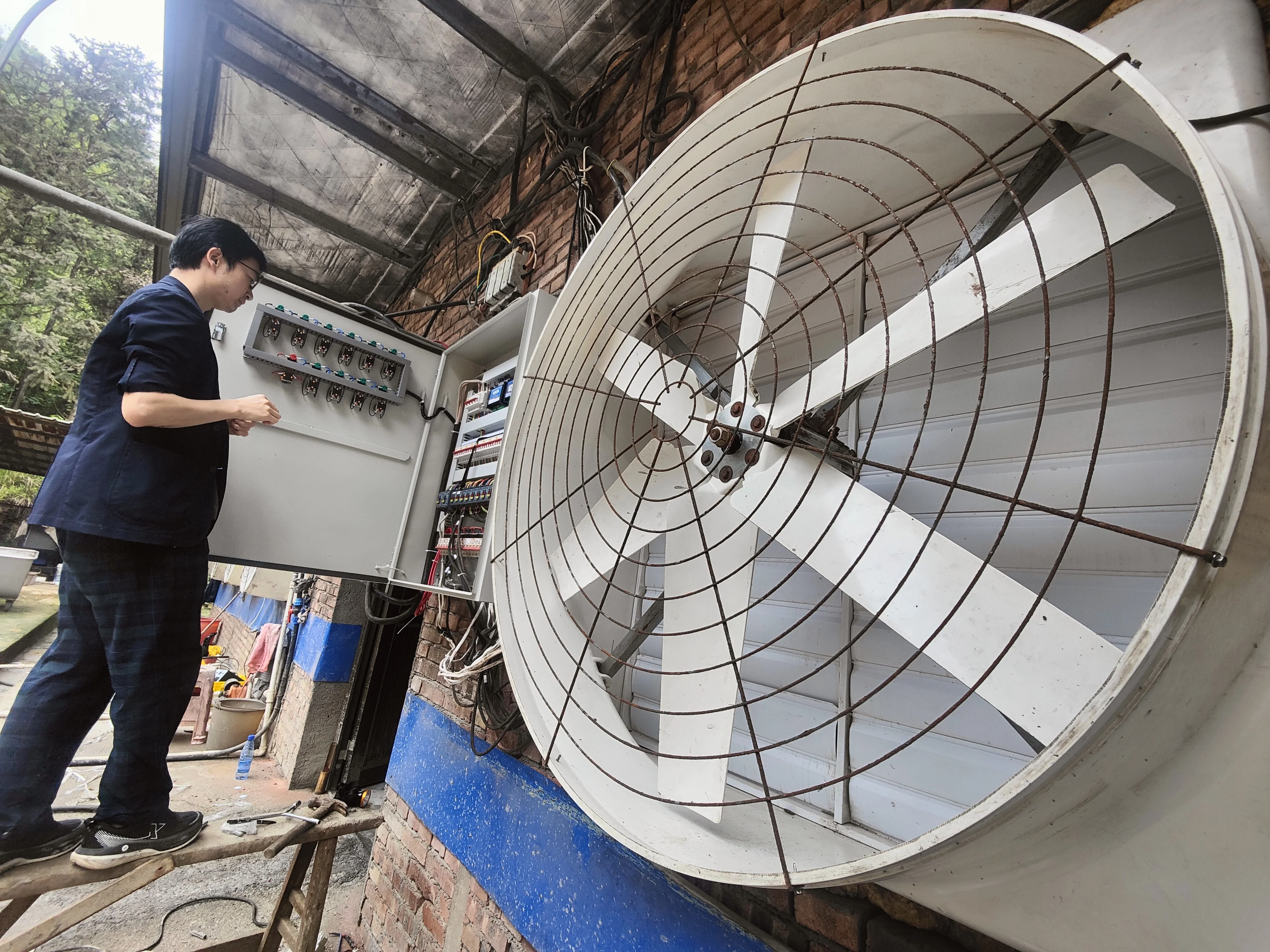
Configured thresholds can operate connected fans, water curtains, manure scrapers, lighting and heat lamps through the power box.
Y201-R uses the duty room wired network to send data to YenGear IoT Cloud over MQTT/HTTP.
Batch-level trend data helps compare seasons, barns, and control strategies after a problem occurs.
PigSense maps environment control to the biological needs of each production stage instead of forcing one barn rule onto every group.
Keep the sow and piglet zones within the different temperature and humidity bands their stages require.
Use stable climate trends and alarms to reduce stress during the most sensitive growth stage.
Control ventilation and temperature for efficient finishing while keeping air quality visible.
Maintain a consistent environment across breeding groups and keep the history for review.
A representative hillside pig farm connected scattered barns, ventilation equipment, and duty room monitoring through LoRa and Ethernet backhaul.
A representative hillside pig farm connected scattered barns, ventilation equipment, and duty room monitoring through LoRa and Ethernet backhaul.
Mountain terrain weakened 4G and Wi-Fi coverage. Farrowing-room temperatures fluctuated at night, ammonia levels went unmonitored, and staff had to operate equipment on site.
Each barn connected ammonia, dust, temperature, and humidity sensors to a Y201-L node over RS485. In the duty room, a Y201-L receiver worked with a Y201-R gateway to send data to the cloud over Ethernet.
Full-farm environmental data appeared on the duty-room display. Temperature and ammonia alarms could trigger linked equipment, and the farm owner could check barn status remotely from a mobile app.
Practical answers for farm managers, integrators, and livestock technical advisors evaluating PigSense.
Barn-side data can move through the Y201-L LoRa network first, while the duty room can use Y201-R Ethernet backhaul where a suitable wired network is available. The final topology and offline behavior depend on the site.
Calibration and replacement depend on the sensor technology, exposure, contamination, operating range and manufacturer instructions. Treat the probe as a maintained field component and define the interval after reviewing the selected model and site conditions.
Y201-L is specified for industrial environments and supports 5-95% RH non-condensing operation. Sensor probes should still use dust protection and receive periodic cleaning.
Common barn circuits such as fans, water-curtain pumps, manure-scraper motors, lighting and heat lamps can be evaluated when their voltage, load, starting method, protection and manual/automatic requirements are compatible.
Usable coverage depends on barn walls, metal panels, terrain, antenna height, node placement and relay requirements. Use the product range only as an initial reference and confirm the actual layout with a site survey or communication test.
Farm environment assessment
Tell us your barn layout, sensors and control points.